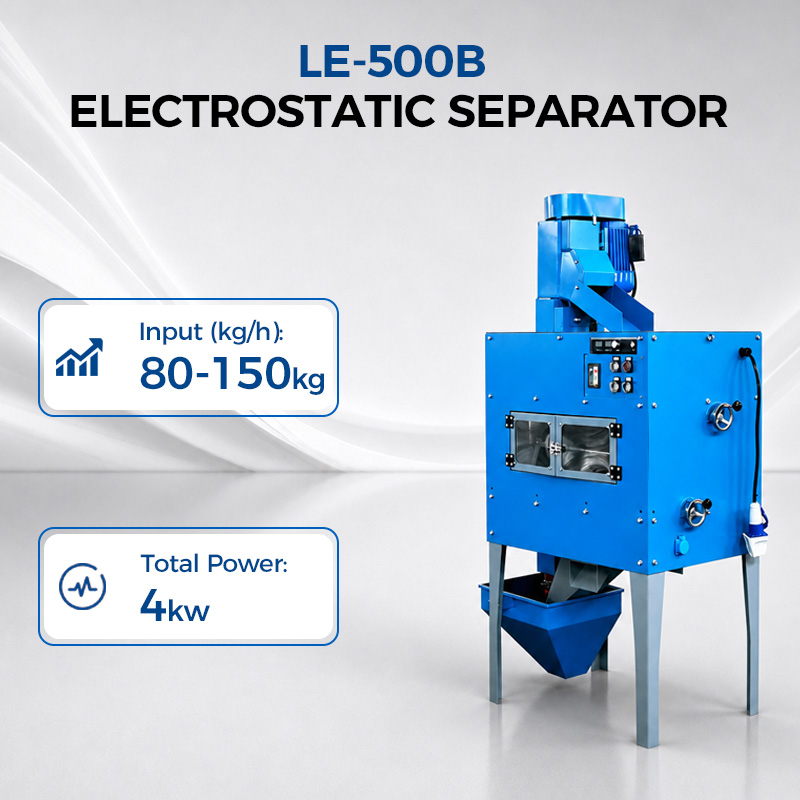
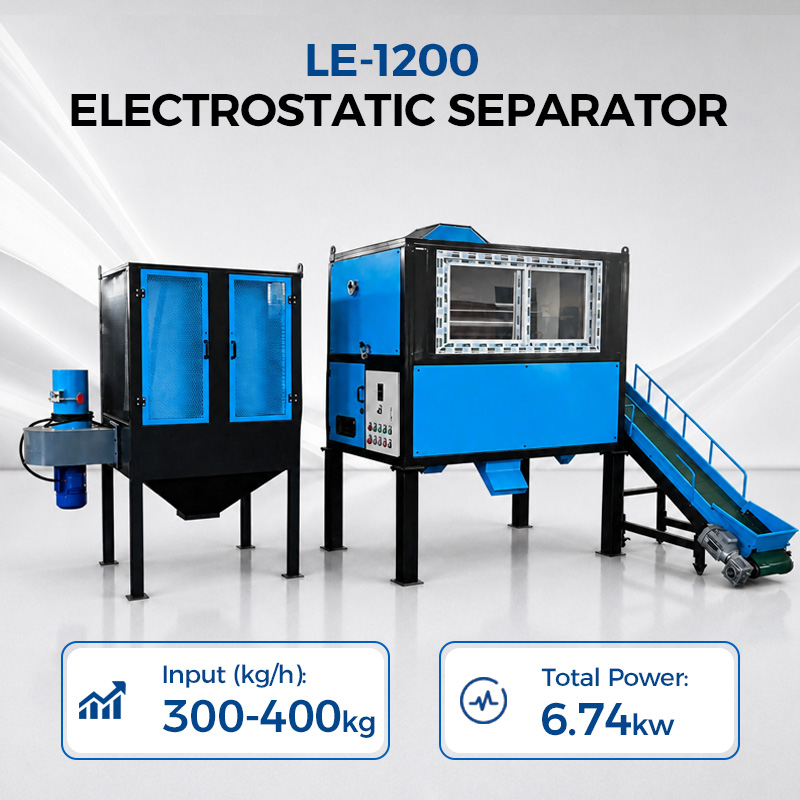
Key Specifications of Electrostatic Separators

application/electrostatic-separator, application/electrostatic-separator, 
Inquiry
Inquiry

electrostatic separator

Electrostatic separators are essential machines in the recycling and manufacturing industries, designed to efficiently separate materials based on their electrical conductivity. For B2B buyers, understanding the key specifications, supplier options, and potential challenges associated with electrostatic separators is crucial for making informed purchasing decisions. This article will outline critical information for purchasing managers, engineers, and other professionals interested in integrating electrostatic separators into their operations.

Where to Find Reliable Suppliers for Electrostatic Separators

Finding a reliable supplier for electrostatic separators involves several strategies:

Industry Trade Shows and Expos: Attending industry-specific trade shows is an excellent way to meet manufacturers and distributors. These events allow for hands-on demonstrations and direct discussions about specifications and capabilities.

Online Marketplaces and Directories: Websites such as Alibaba or ThomasNet can connect buyers with suppliers worldwide. Ensure to check reviews and ratings to assess supplier reliability.

Industry Associations: Engaging with associations related to recycling and manufacturing can provide leads on reputable suppliers. These organizations often have directories of members and can offer recommendations based on industry reputation.

Referrals from Peers: Networking with other professionals in the recycling or manufacturing sectors can yield valuable insights and recommendations for reliable suppliers.

Manufacturer Websites: Many manufacturers, including Hangzhou Lansing Machinery Co., Ltd., showcase their products and capabilities online. Reviewing their offerings, case studies, and certifications can help gauge their reliability.

By leveraging these resources, buyers can identify trustworthy suppliers who meet their specific needs for electrostatic separators, including those that offer related equipment like a wire stripping machine for comprehensive recycling solutions.

Common Problems with Electrostatic Separators and Their Solutions

While electrostatic separators are efficient, they can encounter common problems that may affect their performance. Here are some issues and potential solutions:

Poor Separation Efficiency: If the separator is not achieving the expected efficiency, it may be due to improper material feeding or incorrect settings. Buyers should ensure that the materials are consistently fed into the separator and that parameters like voltage and frequency are adjusted based on material types.

Clogging or Jamming: This can occur when larger or irregularly shaped materials block the separator's mechanisms. Regular maintenance and proper pre-sorting of materials can minimize this issue. Implementing a routine inspection schedule can also help identify potential blockages before they disrupt operations.

Electrical Issues: Problems with electrical connections or components can lead to operational failures. Regularly inspecting electrical systems and ensuring connections are secure can help prevent these issues. Additionally, maintaining proper grounding is essential for safety and performance.

Wear and Tear: Over time, components may wear out, impacting performance. Establishing a maintenance schedule that includes checking wear parts and replacing them as necessary can help maintain optimal performance.

Inconsistent Output Quality: Fluctuations in separation quality can stem from variable material characteristics. Implementing a quality control process that includes real-time monitoring can help address inconsistencies.

By understanding these common issues and their solutions, buyers can better prepare for maintenance and operational challenges associated with electrostatic separators.

Installation Guidance for Electrostatic Separators in Industrial Settings

The installation of electrostatic separators requires careful planning to ensure optimal performance. Here are key considerations for buyers:

Site Assessment: Before installation, conduct a thorough site assessment to evaluate space, power supply, and environmental conditions. Ensure that the chosen location allows for proper airflow and access for maintenance.

Foundation and Mounting: The separator must be installed on a solid foundation to minimize vibrations and ensure stability. Buyers should consult with the manufacturer regarding specific mounting requirements.

Electrical Connections: Proper electrical installations are critical for the safe and efficient operation of electrostatic separators. Engage qualified electricians to handle wiring and ensure compliance with local electrical codes.

Material Handling Systems: Integrating the separator with existing material handling systems is essential for a smooth workflow. Ensure that conveyors or feed systems are correctly aligned and capable of handling the throughput required.

Calibration and Testing: After installation, calibrate the machine according to the manufacturer's specifications. Run initial tests to ensure that the separator operates as expected and adjust settings based on material types.

By following these installation guidelines, buyers can help ensure that their electrostatic separators operate efficiently and effectively from the outset.

Applications of Electrostatic Separators in Recycling and Manufacturing

Electrostatic separators are versatile machines used across various industries for material recovery and processing. Key applications include:

Recycling of WEEE (Waste Electrical and Electronic Equipment): These machines play a crucial role in extracting valuable metals from electronic waste by separating conductive materials from non-conductive components.

Plastic Recycling: In the plastics industry, electrostatic separators can effectively sort different types of plastics, enhancing the recovery of valuable materials for reprocessing.

Metal Recovery: Electrostatic separators are commonly employed in metal recycling to recover non-ferrous metals from mixed metal scrap, improving the efficiency of material recovery processes.

Mineral Processing: The mining industry utilizes electrostatic separation to enhance the processing of minerals, allowing for the efficient separation of valuable ores from waste materials.

Textile Industry: In textile recycling, these separators can help recover synthetic fibers from blended materials, contributing to sustainability efforts in the fashion industry.

Each application highlights the versatility of electrostatic separators and their importance in promoting recycling and resource recovery across diverse sectors. Understanding these applications can assist buyers in making informed decisions based on their specific industry needs.

Key Specifications of Electrostatic Separators for Bulk Purchasing

When considering electrostatic separators, several key specifications should guide your purchasing decisions.

Separation Efficiency: This metric indicates how effectively the separator can differentiate between materials. High separation efficiency is crucial, especially in recycling operations, as it maximizes the recovery of valuable materials. Buyers should ask for specific performance data related to the materials they plan to process.

Throughput Capacity: This refers to the volume of material the separator can process within a given timeframe, usually measured in tons per hour. Understanding throughput is essential for aligning the separator's capabilities with your operational needs.

Power Consumption: Efficient energy use is vital for keeping operational costs low. Look for separators with optimized power consumption ratings to achieve effective separation without incurring excessive energy costs.

Material Compatibility: Different separators are designed for various materials, including metals, plastics, and fibers. Ensure that the separator you choose is compatible with the specific types of waste or materials you plan to process. For instance, a shredding machine might be necessary for pre-processing certain materials to enhance compatibility.

Size and Footprint: The physical dimensions of the separator may affect its installation and integration into existing workflows. Consider the available space in your facility and the separator's dimensions when making a selection.

Safety Features: Compliance with safety standards and the inclusion of safety mechanisms are paramount. Verify that the separator meets relevant industry safety regulations and includes features such as emergency stops and protective enclosures.

Understanding these specifications will help purchasing managers evaluate options effectively and ensure that the electrostatic separator chosen aligns with operational objectives.

Get a Free Quote

Tell us about your recycling needs, and our team will recommend the right equipment and solution for your project.
0/1000