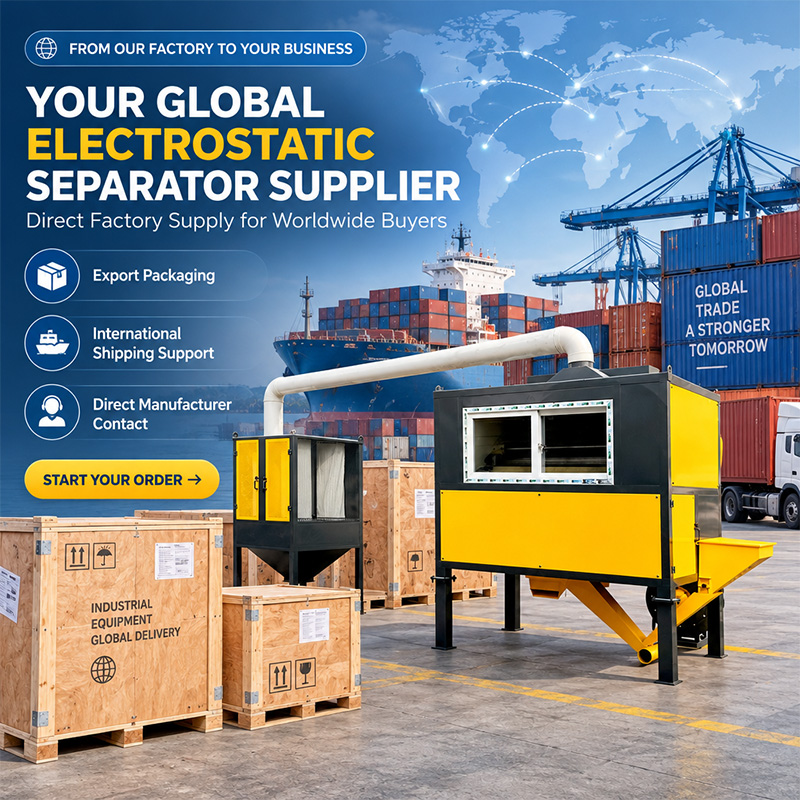
Electrostatic Separation: Key Equipment and Solutions

application/electrostatic-separation, application/electrostatic-separation, 
Inquiry
Inquiry

electrostatic separation

Electrostatic separation is a critical process in recycling, particularly for extracting valuable materials from waste cables and metals. As a B2B buyer, understanding how to select the right electrostatic separation equipment is essential for optimizing your recycling operations. This article will address key specifications, common problems, and insights from a buyer's perspective to ensure you make informed decisions when investing in electrostatic separation technology.

Key Specifications to Look for in Electrostatic Separation Machinery

Key Specifications to Look for in Electrostatic Separation Machinery

When evaluating electrostatic separation machinery, several specifications are vital to ensure optimal performance:

Voltage Range: The voltage specifications impact the separation efficiency. A higher voltage may be required for certain materials, so confirming this with the manufacturer based on your application is crucial.

Airflow Rate: This affects the effectiveness of the separation process. Machines with adjustable airflow can provide flexibility for processing different types of materials.

Material Compatibility: Ensure the equipment can handle the materials you intend to process, including their physical properties like size and density. This is particularly important for mixed materials common in recycling operations. For example, the LS-600B 22 kW Dual-Shaft Shredder for Waste Pre-Processing can be a great addition to prepare materials before electrostatic separation.

Production Capacity: Assess the machine's throughput to ensure it aligns with your operational goals. A machine that cannot meet your production demands may lead to bottlenecks and inefficiencies.

Maintenance Requirements: Consider the ease of maintenance and the availability of spare parts. A machine that is difficult to maintain may incur higher operational costs and downtime.

Understanding these specifications will enable you to choose machinery that meets your operational needs and enhances overall efficiency.

What to Expect from Electrostatic Separators

What to Expect from Electrostatic Separators

Electrostatic separators are designed to efficiently separate materials based on their electrical conductivity. When you invest in this machinery, expect the following:

High Purity Levels: Effective electrostatic separation can achieve high purity levels of recovered materials, which is essential for maximizing the value of recycled products.

Reduced Waste: By efficiently separating valuable materials from waste, you can significantly reduce landfill contributions and enhance your company's sustainability efforts.

Versatility: Many electrostatic separators can process a variety of materials, making them suitable for different recycling applications. This flexibility can be a key advantage in adapting to changing market demands.

Automation Potential: Modern electrostatic separators often come equipped with automation features that streamline operations, reduce labor costs, and minimize human error.

However, it's essential to conduct thorough testing and validation with sample materials to ensure the equipment performs as expected within your specific operational context.

Common Problems in Electrostatic Separation and Their Effective Solutions

Common Problems in Electrostatic Separation and Their Effective Solutions

Despite their advantages, electrostatic separation systems can encounter several challenges. Here are some common problems and their solutions:

Poor Separation Efficiency: If the separation efficiency is lower than expected, it may be due to improper voltage settings or inadequate material feeding rates. Adjusting the voltage and ensuring consistent material flow can resolve this issue.

Material Blockages: Blockages can occur if the material is not adequately prepared before entering the separator. Implementing pre-processing stages, such as shredding or screening, can help avoid these issues. The MINI LS-400 Dual-Shaft Cable and Scrap Shredder is an excellent choice for efficient pre-processing.

Equipment Wear and Tear: Over time, components may wear out, affecting performance. Regular maintenance schedules and using high-quality materials for wear parts can prolong the life of your equipment.

Inconsistent Product Quality: Variability in input materials can lead to inconsistent separation outcomes. Implementing strict material quality control measures can help maintain product consistency.

Addressing these issues proactively can enhance the reliability and efficiency of your electrostatic separation operations.

A Buyeru2019s Perspective

From a buyer's perspective, preparing for an RFQ (Request for Quotation) for electrostatic separation equipment involves gathering comprehensive information to facilitate a productive discussion with suppliers. Key details include:

Material Specifications: Clearly define the types of materials you will be processing, including their physical and chemical properties.

Required Capacity: Specify the desired throughput and any peaks in production that may require scalable solutions.

Customization Needs: Have a clear understanding of any specific customization that might be necessary, whether for adapting to existing machinery or addressing unique operational challenges.

Delivery and Installation Requirements: Discuss expected timelines for delivery and installation, as these can impact your production planning.

Budget Considerations: Be upfront about your budget constraints to help suppliers provide options that fit your financial parameters.

By approaching the RFQ process with detailed information and clear expectations, you can facilitate more focused and relevant discussions with potential suppliers, ensuring that you receive the best possible solutions for your electrostatic separation needs.

Understanding these elements will not only help you choose the right equipment but also position your company for success in the competitive recycling industry.

How to Choose the Right Electrostatic Separation Equipment for Your Needs

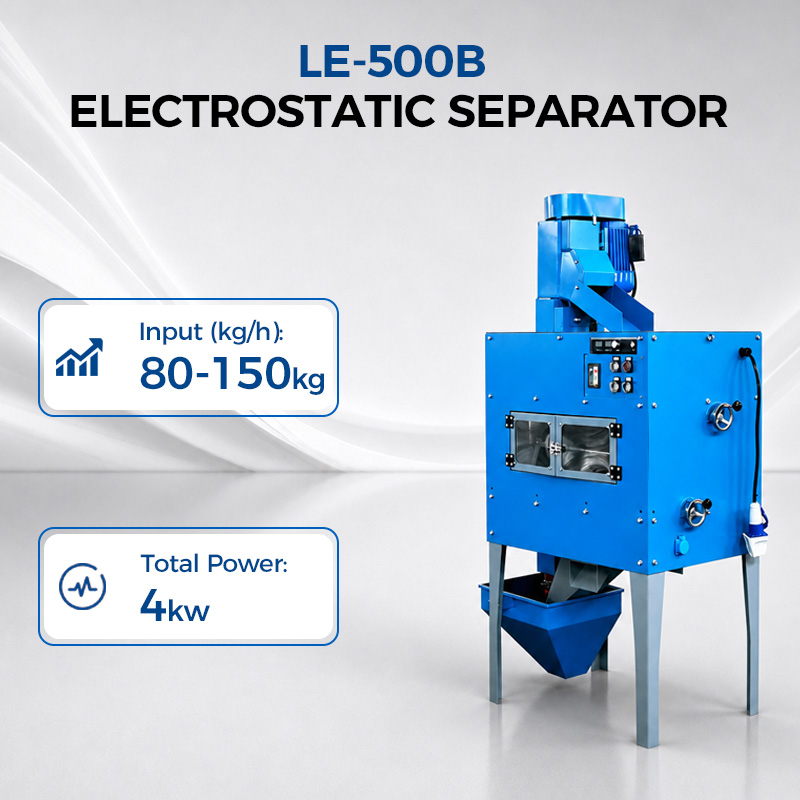
Selecting the appropriate electrostatic separation equipment involves a thorough assessment of your specific requirements. Considerations should include the types of materials you plan to process, the desired purity levels, and your production capacity needs. For instance, if you're focusing on recycling waste cables, equipment that effectively separates copper from plastic will be crucial. Additionally, evaluate the machine's compatibility with your existing systems and whether it can handle the operational conditions of your facility, such as moisture levels and temperature variations. You might want to consider options like the LE-500B Electrostatic Separator for Copper and Plastic Recovery for its efficiency in handling such materials.

Customization options can also play a significant role in your decision-making. A supplier that offers tailored solutions can help you adapt the equipment to your unique operational challenges, whether that involves adjusting the separation mechanisms or enhancing the machine's throughput.

Get a Free Quote

Tell us about your recycling needs, and our team will recommend the right equipment and solution for your project.
0/1000