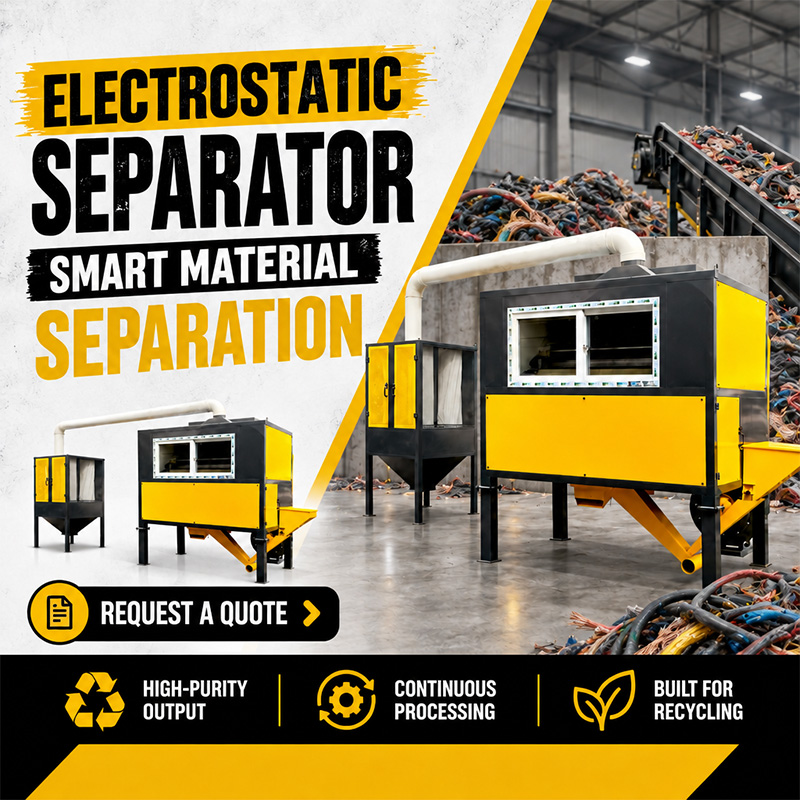
Choosing Electrostatic Separators for Recycling

application/electrostatic-separators, application/electrostatic-separators, 
Inquiry
Inquiry

electrostatic separators

Electrostatic separators are essential devices in the recycling and waste management sectors, enabling the efficient separation of conductive materials from non-conductive ones. They play a crucial role in optimizing material recovery, particularly in applications involving waste cables and metals. For purchasing managers and engineers, understanding the nuances of electrostatic separators is vital to ensure that the selected equipment meets operational needs, minimizes costs, and maximizes efficiency. This article will guide you through key considerations in selecting electrostatic separators, evaluating their quality, and understanding their applications.

Key Specifications of Electrostatic Separators for Wholesale Buyers

Key Specifications of Electrostatic Separators for Wholesale Buyers

Evaluating the quality of electrostatic separators involves several key steps:

Material Quality: Understanding the materials used in the construction of the separators is crucial. High-quality materials can withstand the operational stresses and provide better longevity. Always inquire about the specifics of the materials, such as their durability and resistance to corrosion.

Testing and Certifications: Check whether the manufacturer conducts rigorous testing and holds relevant certifications. This can include performance testing and adherence to industry standards, which can provide assurance of quality and reliability.

Sample Approval: Before proceeding with a bulk order, requesting a sample of the electrostatic separator is advisable. Testing the sample under actual operating conditions will provide insights into its performance and suitability for your application.

Feedback and Reviews: Look for customer reviews and case studies regarding the separators. Feedback from other businesses can provide valuable insights into the product's performance and the manufacturer's service quality.

Understanding the Quality Control Process for Electrostatic Separators

Understanding the Quality Control Process for Electrostatic Separators

Identify Requirements: Begin by clearly defining your operational requirements, including the types of materials to be processed and the desired separation efficiency.

Research Suppliers: Conduct thorough research on potential suppliers, focusing on their manufacturing capabilities, product range, and customization options.

Request Quotations: Prepare a detailed Request for Quotation (RFQ) that includes your requirements, expected volumes, and any specific queries regarding customization or lead times.

Evaluate Proposals: Compare the quotations received, paying attention to not just pricing but also the specifications, quality assurances, and service offered.

Arrange for Samples: Once a potential supplier is shortlisted, request samples for testing to ensure that they meet your quality and performance expectations.

Common Problems with Electrostatic Separators and Their Solutions

Common Problems with Electrostatic Separators and Their Solutions

Electrostatic separators are widely applied in various sectors of recycling and waste management:

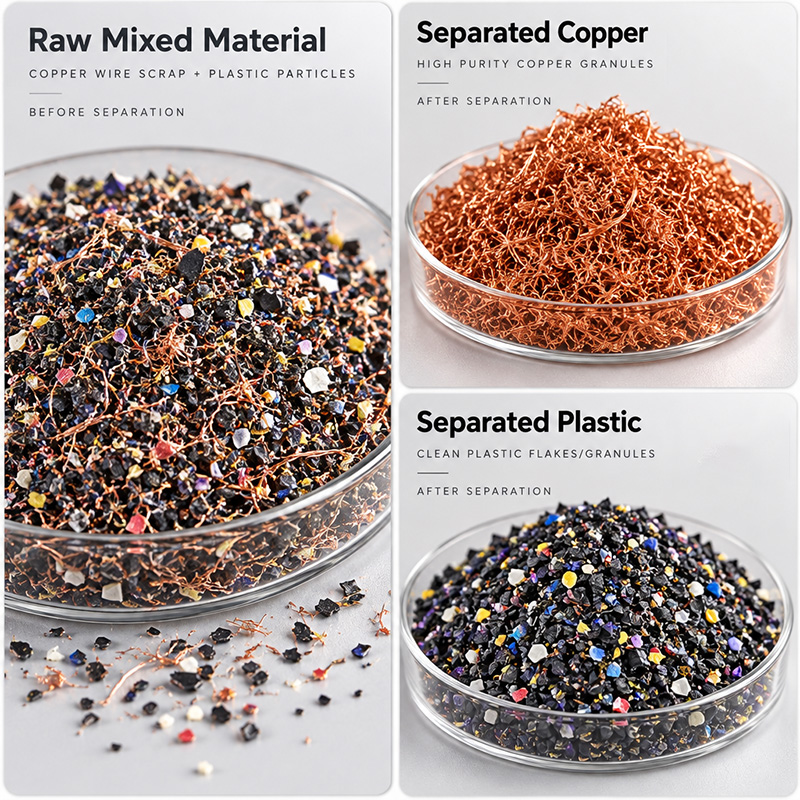
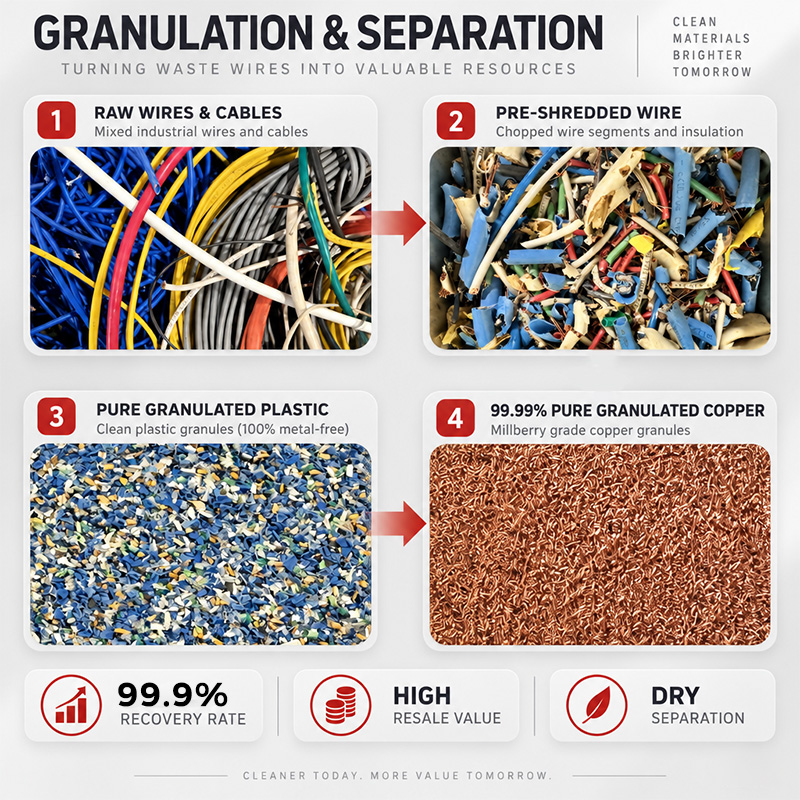
Cable Recycling: These separators are particularly effective in cable recycling processes, where they can efficiently separate metals from insulation materials, enhancing material recovery rates. For efficient cable processing, options like the MINI LS-400 Dual-Shaft Cable and Scrap Shredder can complement the electrostatic separation process.

Plastics Sorting: In the plastics recycling industry, electrostatic separators can distinguish between different types of plastics, significantly improving the purity of recycled materials.

Metal Recovery: In metal recovery operations, electrostatic separators can isolate valuable metals from mixed waste streams, ensuring that resources are not wasted.

Electronic Waste: As electronic waste becomes increasingly prevalent, electrostatic separators play a vital role in extracting metals from electronic components, thus promoting sustainable recycling practices.

Benefits of Partnering with a Trusted Supplier for Electrostatic Separators

When comparing different models of electrostatic separators, contractors should consider several factors to ensure they select the most suitable equipment:

Separation Efficiency: Different models may offer varying levels of efficiency. Assessing the performance metrics from the manufacturer can help in understanding which model will best meet specific recycling targets.

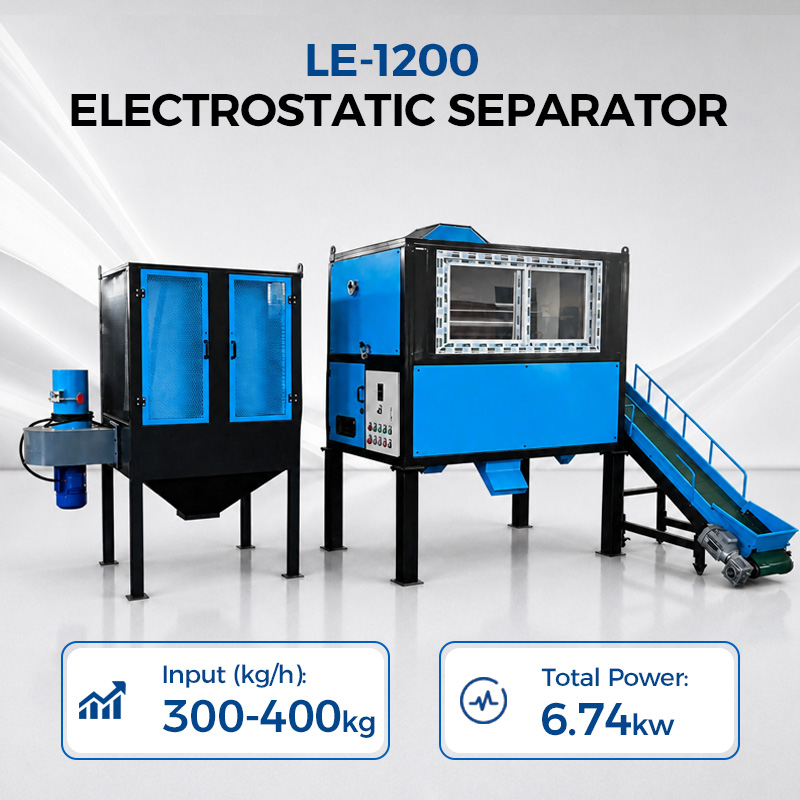
Capacity: Evaluate the throughput capacity of each model. For contractors dealing with large volumes of material, selecting a model with a high processing capacity will be essential.

Ease of Use and Maintenance: Consider the operational complexity and maintenance requirements of each model. Simpler designs may reduce downtime and maintenance costs.

Compatibility with Existing Equipment: Ensure the chosen separator can integrate well with the existing processing line. Compatibility issues can lead to significant operational inefficiencies.

Cost-Benefit Analysis: Conduct a thorough cost-benefit analysis by comparing the purchase price against the expected operational savings and efficiencies each model offers.

By considering these factors, contractors can make informed decisions regarding which electrostatic separators will provide the best return on investment and operational efficiency in their specific applications.

What to Consider When Choosing Electrostatic Separators for Your Projec

When selecting electrostatic separators for wholesale, several factors should be prioritized to ensure optimal performance and economical operation:

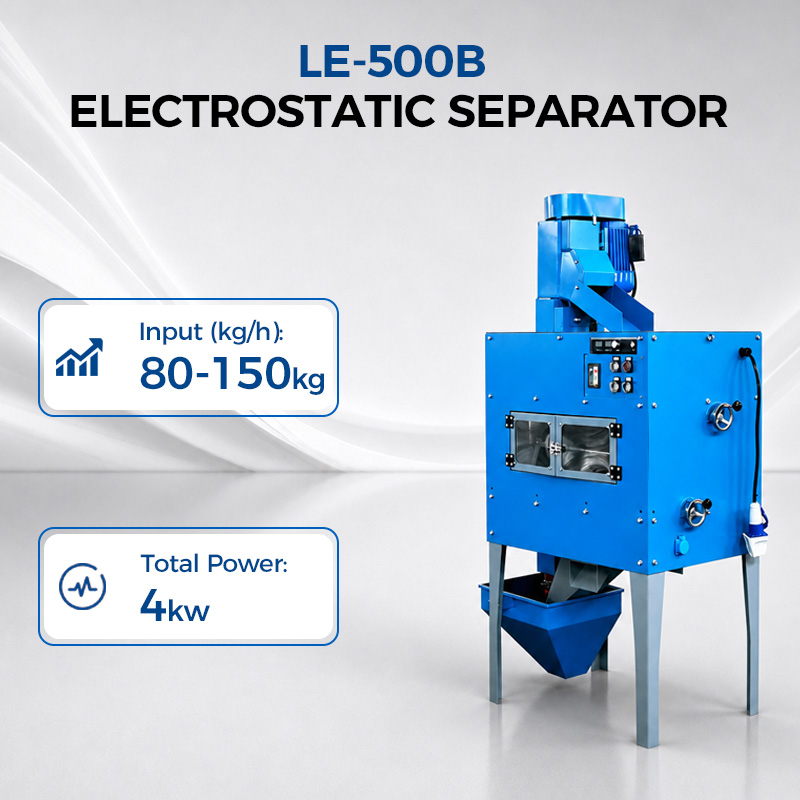
Specifications and Performance: Look for specifications such as separation efficiency, throughput capacity, and the types of materials the separator can handle. For instance, separators that can efficiently process a wide range of materials, including copper, aluminum, and plastics, are often more versatile. Some advanced models, like the LE-500B Electrostatic Separator for Copper and Plastic Recovery, can significantly enhance the separation process.

Manufacturing Quality: Evaluate the manufacturing capabilities of the supplier. A company like Hangzhou Lansing Machinery Co., Ltd. should ideally have integrated manufacturing processes, which enhance quality control and allow for customization. Understanding their production equipment and quality control processes can provide insights into their reliability.

Customization Options: Depending on your specific application, the need for customized features may arise. Confirming the manufacturer’s ability to tailor the separator to your requirements can lead to better operational outcomes. For example, options like the LS-600B 22 kW Dual-Shaft Shredder for Waste Pre-Processing can be integrated based on specific processing needs.

Lead Time and Minimum Order Quantity (MOQ): Consider the lead time for production and the MOQ. Suppliers with flexible MOQs and shorter lead times can help in meeting urgent project timelines.

Cost and Value: While price is an important factor, it should not be the only consideration. Analyzing the total cost of ownership, including maintenance and operational efficiency, can provide a clearer picture of value.

Get a Free Quote

Tell us about your recycling needs, and our team will recommend the right equipment and solution for your project.
0/1000